With grid power in Zambia still interrupted by load-shedding, more homeowners, farmers and businesses are asking the same question: should I run my water pump on solar or stick with electric? Both have their place. This guide compares them honestly so you can make the right call for your site and budget.
The load-shedding reality
When the grid goes down, an electric pump goes down with it — and so does your water. For a household that means no supply during outages; for a farm it can mean crops missing a critical irrigation window. This single factor is why solar pumping has grown so fast across Zambia.
How solar water pumps work
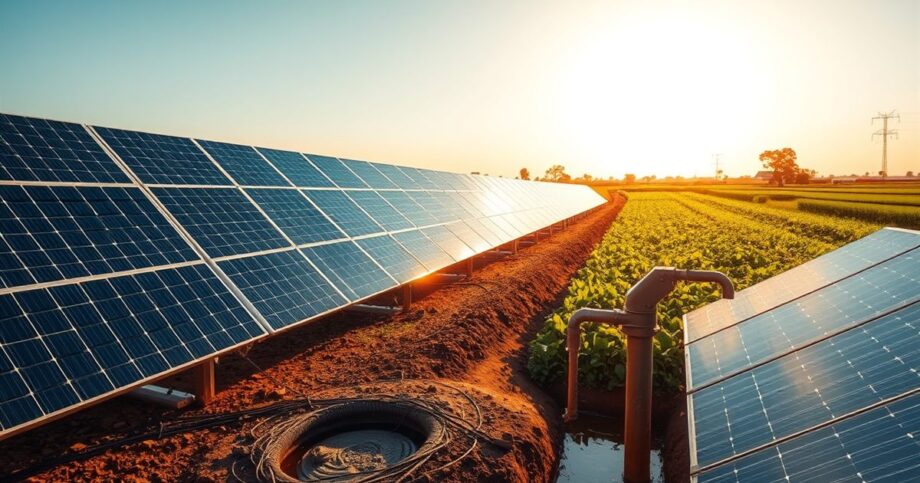
A solar pump uses photovoltaic panels to drive the motor directly during daylight, often through a controller that smooths the supply. There are no fuel costs and no reliance on the grid. Water is typically pumped into a storage tank during the day and drawn by gravity when needed — the tank becomes your “battery”, which is far cheaper than storing electricity.
Cost: upfront versus running
The honest trade-off comes down to two numbers:
- Solar — higher upfront cost (panels, controller, mounting) but almost zero running cost and no exposure to tariff increases. It pays for itself over time, especially where the alternative is diesel.
- Electric — lower purchase price, but ongoing electricity bills and downtime during outages. Add a generator for backup and the running cost climbs quickly.
Over a five-to-ten-year horizon, solar often wins on total cost — but the upfront figure is real and worth planning for.
When solar is the clear winner
- Off-grid or weak-grid sites — remote farms, lodges and boreholes far from a reliable connection.
- Daytime demand — irrigation and tank-filling that naturally happen while the sun is up.
- Areas hit hardest by load-shedding — where uptime matters more than anything.
When electric still makes sense
- Reliable grid and steady demand — urban sites with stable power.
- High, constant flow needs — large pressure or booster duties that run day and night.
- Tight upfront budgets — where the lower purchase price is the deciding factor today.
The hybrid option
You don’t always have to choose. A hybrid setup runs on solar by day and switches to grid (or generator) when needed, giving you uptime and lower bills without a battery bank. For many Zambian sites this is the sweet spot.
Sizing matters either way
Whether solar or electric, the pump must still be sized to your borehole depth, head and required flow — and your tank sized to carry you through cloudy days or peak demand. Get the sizing wrong and even the best technology underperforms.
Talk to us before you buy
Tell us your water needs, your site and your power situation, and we’ll recommend a solar, electric or hybrid solution that actually fits. Explore the pump range or request a free quote.